Description
Description & Key Details
Foliage and Flowers
-
Leaves are finely dissected and lacy, starting greenish-red and maturing into deep cherry-red or burgundy hues with a glossy sheen.
-
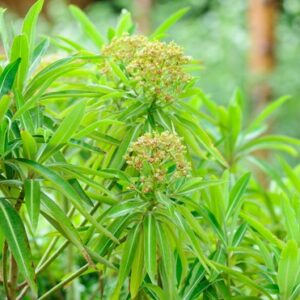
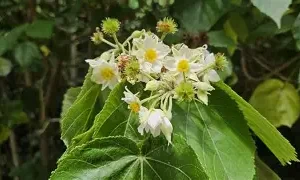
Flowers bloom in early to mid summer (May–June), forming flat, umbrella-like clusters with creamy-white centers and striking cherry-pink edges.
Fruit and Wildlife Value
-
These later develop into glossy black elderberries, generally safe when cooked and enjoyed in jams, syrups, or cordials—but note that raw berries and other green parts contain toxins (e.g., cyanogenic glycosides) and must be properly prepared.
-
The plant is excellent for attracting pollinators, bees, butterflies, and wildlife.
Size & Growth Habit
-
Compact and tidy, typically growing to around 1.5 m (5 ft) tall and wide—making it suitable for small gardens, containers, or even front-of-border planting.
-
Some sources mention it may grow up to ~2 m tall and ~2.5 m wide, but most UK sellers list 1.5 m × 1.5 m as typical.
Growing Conditions & Care
-
Thrives in full sun to partial shade, with well-drained but moist soil.
-
Hardy down to approximately –15 °C to –22 °C (RHS rating H6: –20 °C to –15 °C).
-
Low maintenance: minimal pruning needed; cut back to ground level in early spring after the second year to encourage vibrant new growth.
-
Drought tolerant once established and adapts well to various soil types including clay, chalk, loam, or sand.
Summary Table
| Feature |
Details |
| Foliage |
Deeply incised, lacy; turns from red-green to deep cherry-red/glossy |
| Flowers |
Pink-edged, creamy white clusters in early summer |
| Fruit |
Glossy black elderberries (edible when cooked) |
| Height/Spread |
Typically ~1.5 m × 1.5 m; compact habit |
| Light Preferences |
Full sun to partial shade |
| Soil Preferences |
Moist but well-drained; highly adaptable |
| Hardiness |
Hardy down to –15 °C to –22 °C |
| Maintenance |
Low; spring pruning after year two recommended |
| Garden Value |
Great for small gardens, containers, pollinators, and ornamental appeal |
In essence, Sambucus ‘Cherry Lace’ is a compact, ornamental elder with exquisite lacy foliage and striking seasonal interest through foliage, blooms, and berries. It’s a versatile, hardy, and low-maintenance choice ideal for enhancing borders, containers, or wildlife-friendly gardens


Reviews
There are no reviews yet.